

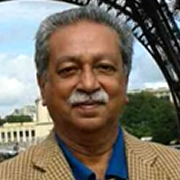
Prof. K J Paulose (1970 batch), who has been the treasurer for The Cochin RECCAA Centre since its inception in1992 until 2007 when it merged with RECCAA charitable society, remembers the team spirit that originated back in REC days
When REC stated, it was in the facilities of the Westhill polytechnic. Even after the operations and classes shifted to own campus, at Chathanangalam, there was struggling on several aspects –accommodation, classrooms etc. One of the lab buildings were used as dormitories. Students who struggled together, stayed together.
In 1966, there was a students’ strike. There were mainly three issues. One was water problem. Students were getting unfiltered water, while in the staff quarters, filtered water was being used even for gardening. “Filtered water not for Garden!” was the slogan using which students protested. College was closed, students evicted from the hostel, and it lasted for over a month. Then with involvement from the education minister, reconciliation started, and arrangements were made for the hostels to receive filtered water. Prof. Paulose, who was part of the strike committee recollects the risk of taking this up. There could have been adverse actions against those who led the protest.
Second issue was that the college buses were not available to students, these were used for ferrying the children of staff to schools. Students’ protest worked and students were allowed to operate the buses on weekends on a no-profit-no-loss basis. Buses started in the morning from REC to the city and returned in the evening. A student committee was formed to manage the tickets, where tickets had to be bought in advance to reserve seats. There was so much demand for tickets, as no entertainment facility was available in and around Chathamangalam. Students were trying to squeeze into the buses.
Third issue was that of a special fee. Each student was paying 100 Rs every year, which was a significant amount then, but the principal was not spending any of that for student benefits. Most actions of authorities appeared to be anti-student. Students demanded that the principal be replaced, and they succeeded. Prof. K M Bahauddin was appointed as principal, and the amount from the fees was set aside for funding extracurricular activities.
There was a beef mess in college, which was unique in the country. There was a nationwide hunger strike to stop serving beef in any institution. Prof. Bahauddin called student leaders for a discussion to get their opinion about the proposal to close down the beef mess. Prof. Paulose remembers commenting “Sir, if it is closed down, we will buy a buffalo, slaughter it and make our own arrangements for serving beef in the campus!”. Anyway, the proposal was shot down, and Prof. Bahauddin could convince the authorities.
Then the mess boys went on strike once and the students were left to fend for themselves. The student volunteers took it up as a challenge and managed all the messes admirably, even desserts were served!
It was not all protests that was happening. Several creative interactions, exchange of ideas was also happening. There were several clubs. Aero modelling club, modelling club for civil engineers, music club etc. Each club was given a grant of 10000 rupees, which was a significant amount then. There was an engineering exhibition conducted and all clubs participated. Students and teachers from nearby schools visited in large numbers.

Prof. Paulose remembers being part of Aero modelling club. He started with a glider and the model powered by Internal combustion Engine. A hovercraft model was built, probably for the first time in India, as the technology had just come in. The hovercraft was designed with thin plywood, with ideas exchanged over several cups of tea. Propeller was carved out of a wooden block, by a batch mate, Don Bosco, whose family was in the furniture business. The propeller was powered by electric motor.
Initially, models were made from DIY kits and later designed and cut out from sheets of balsa wood. The models used to be launched from the top of the valley, some landed smoothly and others crashed! Then the team moved on to remote control planes. It was new technology; TVs and calculators were not yet there!. One such model was lost to wind and never retrieved. Most active members were T K Ravi, Sathyasheelan and Venugopal and most of the of club members ended up in HAL or IAF.

Music Room was setup in A hostel during this period. Fund was allocated for the purchase of a GRUNDIG automatic record player cum changer, which could accommodate ten LP record plates at a time, and automatically change plates. Loud speakers were placed on coconut trees in front of A,B and D hostels (those were the only three hostels) Music was played from 5:30 to 7:30. 1 hour Malayalam, 30 minutes for English and remaining for other Indian languages. Student volunteers were operating this and students could drop their suggestion of music in the music room. New records were bought by collecting one rupee each per month from the students.
Indoor auditorium was not there then. For every function, including College Day, a stage had to be erected on concrete platform in front of A hostel. Student volunteers had to work overnight throughout the week before the event. Pre-fabricated slotted angle frame was used for the structure, the side and back covers were made of cloth and pelmet of hard board. Corrugated sheets were used for roof.
In a nutshell, the students were adventurous and entrepreneurial in spirit. Also, the bond among them were very strong back in college and years since.


 LinkedIn
 Instagram
 Facebook